Tibetan Buddhism
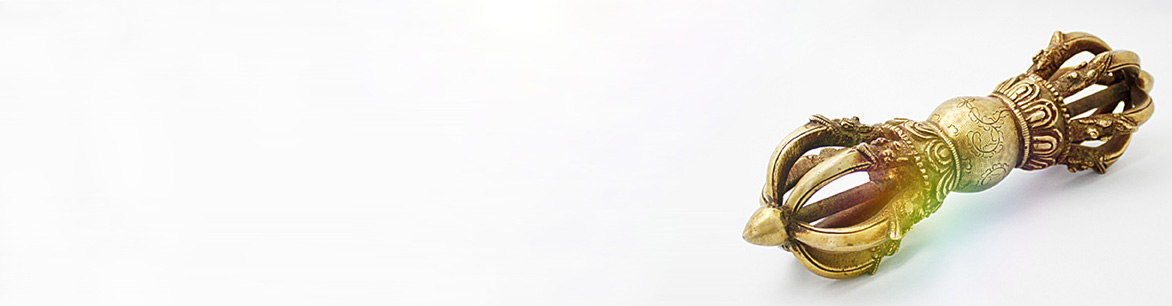 Vajrayana
Tibetan Buddhism or Tibetan Buddhism refers to the Buddhism introduced into Tibet.
The hallmark of Tibetan Buddhism is Vajrayana. "Vajra" means pure, supremely pure, indestructible, and indestructible. Vajrayana encompasses the precepts of the Hinayana and the bodhicitta of the Mahayana. Besides preserving the exoteric sutras, it also transmits the essence of the Dharma, the tantras. The Buddha expounded 84,000 Dharma doors, encompassing both the exoteric sutras and the tantras.
The so-called "manifest sutras" are the teachings that Shakyamuni Buddha, who manifested as the incarnation of Buddha, preached to ordinary sentient beings; the "secret tantras" are the teachings that Vajradhara, who manifested as the Dharmakaya of Buddha, expounded to those with sharp roots.
The Four Refuges
Tibetan Buddhism advocates the Four Refuges: in addition to taking refuge in the Three Jewels of Buddha, Dharma, and Sangha, one must also take refuge in the guru. Tibetan Buddhism believes that disciples receive the Dharma from their guru, meaning that it is through the guru that disciples gain access to the Three Jewels. Therefore, the guru is the worldly representative of the Three Jewels. Practitioners must receive empowerment, oral transmission of the Dharma texts and practice instructions from a qualified guru, and then practice according to the guru's guidance to achieve success. Without a guru, it is impossible to practice tantric Buddhism. Therefore, the guru is the most important foundation for tantric practice. The guru holds great benevolence and kindness for his disciples, and therefore, refuge in the guru is essential.
The inner refuge refers to the Three Jewels and the Three Roots, namely, refuge in the guru (the root of blessing), refuge in the deity (the root of accomplishment), and refuge in the dakinis and protectors (the root of perfect enlightenment). The innermost refuge is the Dharmakaya (Buddha), the Sambhogakaya (Dharma), and the Nirmanakaya (Sangha).
In terms of practice, Tibetan Buddhism emphasizes the importance of following a specific sequence of practice, whether in exoteric or esoteric teachings. Renunciation, bodhicitta, and the correct view of emptiness serve as the foundation of practice.
To move from the exoteric to the esoteric, one must first practice the four aspects of observing that the human body is hard to obtain, contemplating the impermanence of death, observing that samsara is suffering, and observing the cause and effect of karma; then, one must develop the renunciation mind of "seeking liberation from samsara" to cut off attachment to worldly fame, wealth, love, relatives, and friends.
The bodhicitta, the aspiration to attain the supreme Buddhahood for the benefit of all sentient beings, should be the motivation for practice. It should also be supplemented by the correct view of emptiness to eliminate all discriminations and the ignorant ego. With renunciation, bodhicitta, and the correct view of emptiness as the foundation of practice, one can then move on to the practice of tantra. By receiving tantric initiation, strictly observing the samaya vows, and practicing the two stages of the path, one can rapidly attain Buddhahood and achieve complete accomplishment.
Reincarnated monks
The succession system of "reincarnated monks" is the biggest feature of Tibetan Buddhism.
"Tulku" in Tibetan means "reincarnated monk," meaning "incarnation." Tibetan Buddhism teaches that Buddhas, Bodhisattvas, and enlightened lamas continually reincarnate into the human world to save all sentient beings and guide them to liberation. The Kagyu sect was the first to establish the reincarnation system. They began the reincarnation lineage of the Karmapa during the Yuan Dynasty, and the lineage now stands at 17. Since then, each sect has had multiple reincarnated living Buddha lines, the most famous of which are the Dalai Lama and Panchen Lama of the Gelug sect.
In Tibetan Buddhism, the so-called "reincarnated monks" refer to people who have achieved high achievements in religious practice and can reincarnate according to their own wishes.